Vastus Medialis Pain from Cycling
Pain around the inner part of the knee is a common issue for cyclists. One muscle often involved is the vastus medialis, which plays a key role in stabilising the knee during pedalling.
Cyclists may notice discomfort, weakness, or strain affecting cycling performance on the bike when the muscle becomes overloaded. Understanding the cause of vastus medialis pain is the first step in addressing it effectively.
This guide explains what the vastus medialis does, why cycling can place stress on it, and how foot mechanics and bike shoe insoles can help strengthen and improve long-term cycling performance.
 |
What is the vastus medialis?
|
During cycling, the vastus medialis works continuously through every pedal stroke. Because of this repeated load, it can become overworked if movement patterns or bike fit are not efficient.
Why cycling can cause vastus medialis pain
Cycling is a repetitive sport. Each pedal stroke places demand on the same muscle groups thousands of times in a single ride. When movement is not well balanced, the vastus medialis can take on more load than it should.
Common contributors include:
- Poor knee tracking during the pedal stroke
- Excess pressure through the forefoot in tight cycling shoes
- Weak or inefficient foot mechanics
- Saddle height or cleat position that alters alignment
Over time, these factors may lead to irritation or fatigue in the vastus medialis. Cyclists often describe this as a dull ache on the inside of the knee, especially during longer rides or climbs.
How the vastus medialis is involved in cycling movement
To understand vastus medialis pain, it helps to look at how force travels through the body on the bike.
When you push down on the pedal, force moves from:
Foot → Ankle → Knee → Thigh

If the foot is not stable or does not function efficiently inside the shoe, the knee may compensate. This often increases load on the vastus medialis, especially during the downstroke.
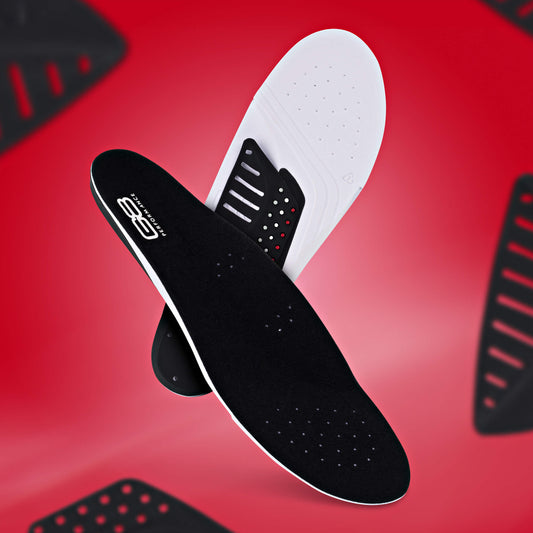
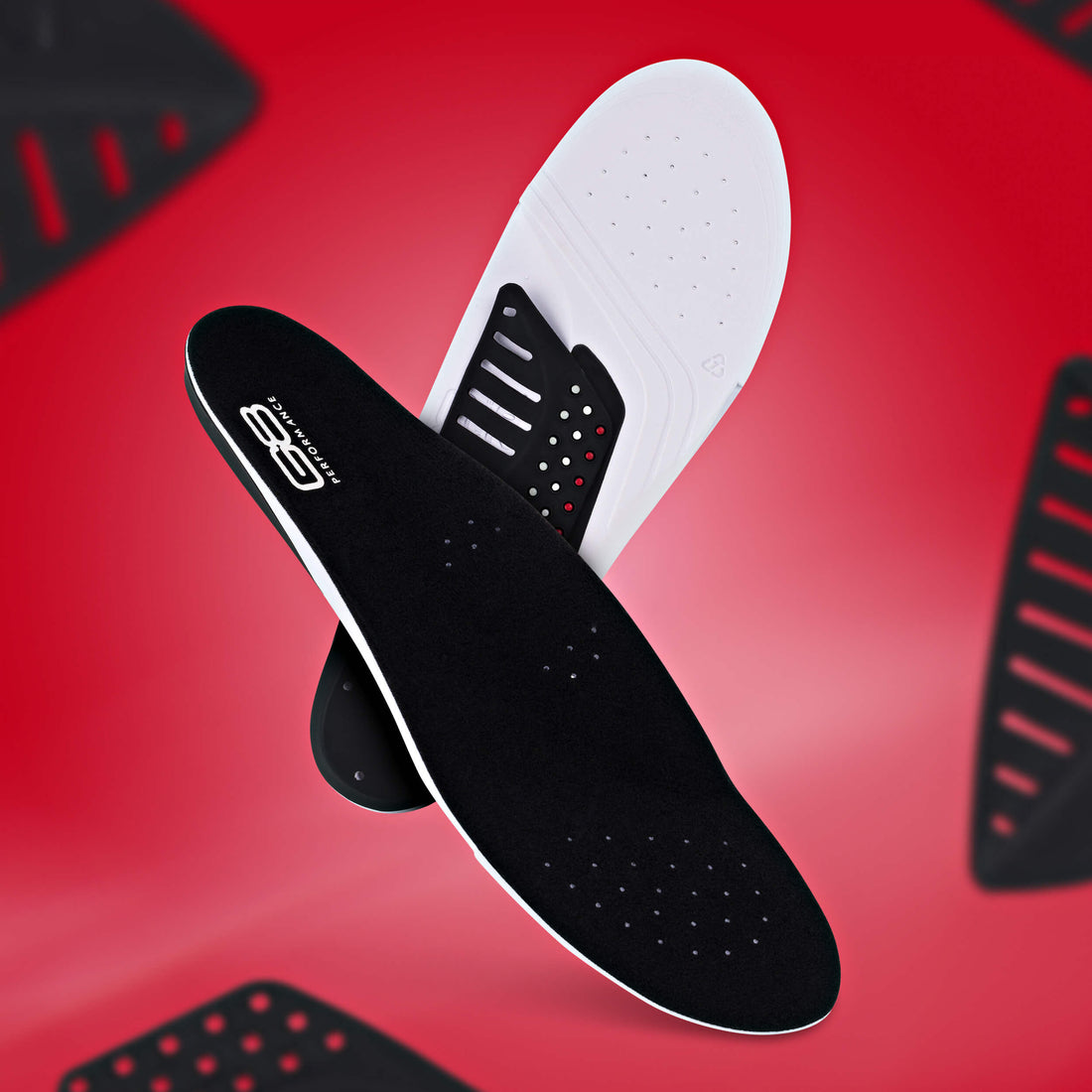
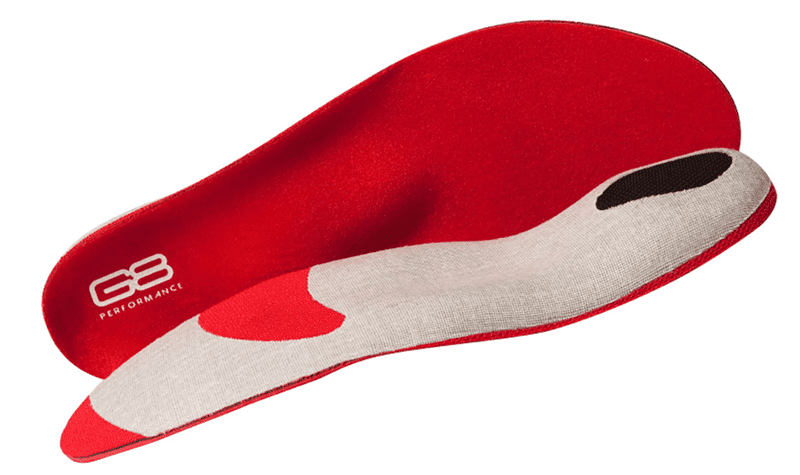
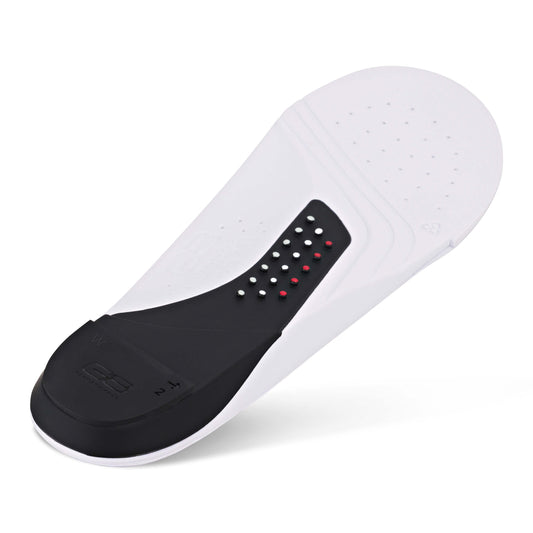
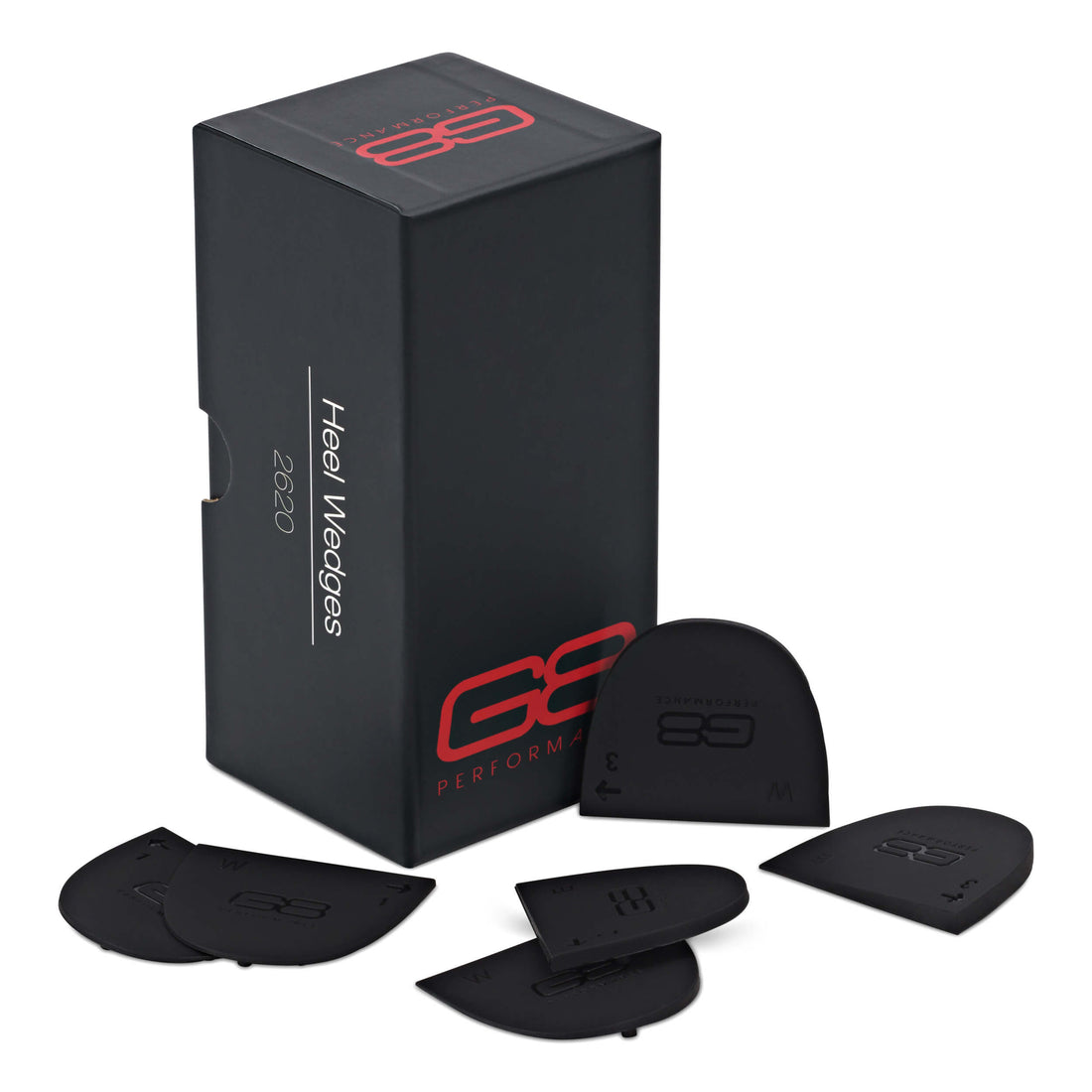
Tight cycling shoes can also restrict natural foot movement. This can change how pressure is distributed, leading to uneven loading through the leg. This is when insoles for cycling shoes can improve performance and strengthen the foot. The G8 Performance Pro Series 2620 is the thinnest cycling insole on the market at just 4mm thick, making it easy to fit performance cycling shoes while helping strengthen the foot over time.
Signs of vastus medialis overload in cyclists
Cyclists experiencing vastus medialis strain may notice:
- Pain on the inner side of the knee
- Discomfort during or after rides
- Reduced power on climbs or hard efforts
- Tightness in the front of the thigh
- Knee tracking that feels “off”
These symptoms often build gradually. Many riders continue training until the discomfort becomes harder to ignore.
Addressing the root cause: foot function and pressure
While knee pain is felt at the top of the chain, the cause is often lower down at the foot.
If the foot collapses or cannot manage pressure efficiently inside the shoe, the knee and vastus medialis may compensate.
This is where cycling insoles can play a role. Not by simply cushioning the foot, but by helping the foot work more effectively under load.
How G8 Performance Pro Series 2620 Improves Force Transfer
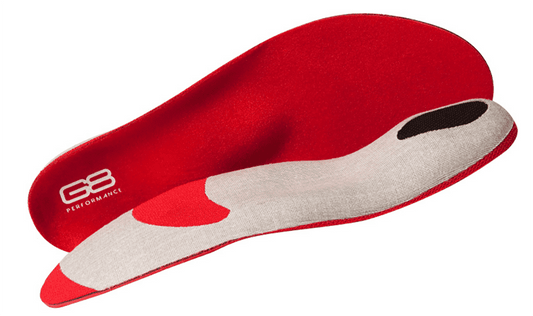
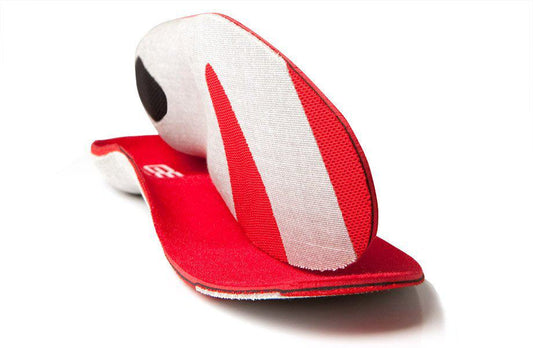
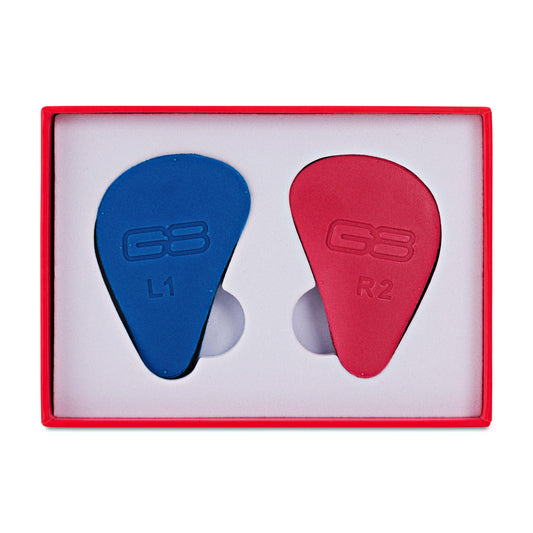
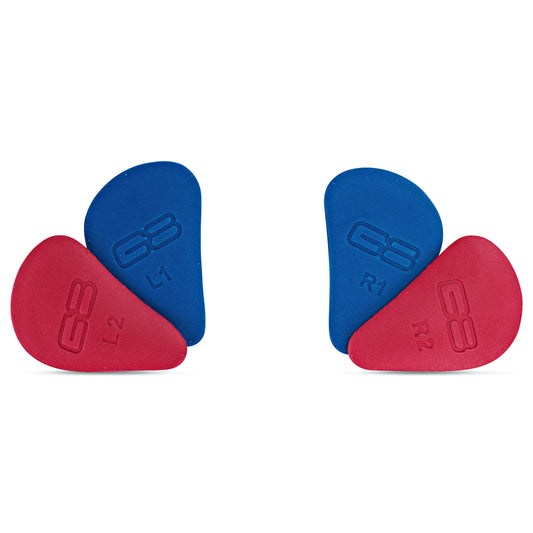
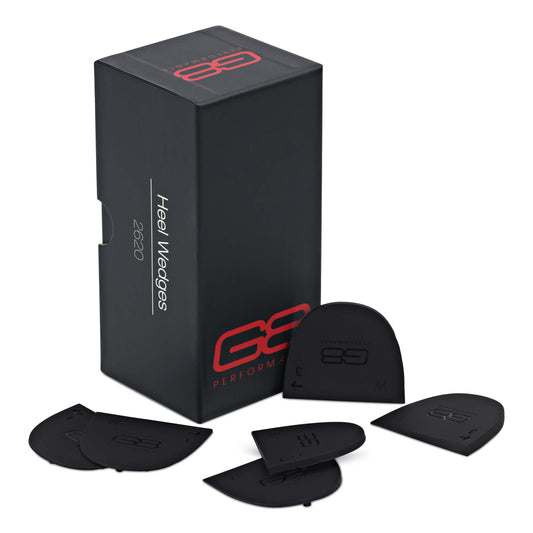
The G8 Performance Pro Series 2620 cycling insoles are designed to strengthen the foot over time through its full range of movement. Rather than simply supporting the foot, the G8 2620 insoles help the foot flex and splay naturally inside the shoe. This is important because the foot is where force is transferred into the pedal. When the foot can flex and splay naturally, it moves more efficiently throughout the pedal stroke.
If the foot cannot move as it should, the knee may compensate by rolling inwards, increasing the load on the vastus medialis. Investing in high-quality bike shoe insoles that promote natural foot movement can help improve force transfer while encouraging more efficient movement on the bike.
|
How they work include:
|
 |
Most cycling insoles are built to lock the foot into position. We believe the foot performs best when it can move more naturally. The G8 Pro Series 2620 cycling insoles encourage natural foot movement, allowing the foot to flex and splay inside the shoe. This helps improve force transfer through the pedal stroke and may reduce the need for the knee and vastus medialis to compensate.

Strengthening the foot, not just supporting it
Traditional insoles often focus on cushioning the foot. In contrast, the goal here is to encourage the foot to become more active and efficient over time.
When the foot works better under load, pressure is distributed evenly across the foot, ankle and knee. It can track in a more natural way and the vastus medialis experiences a more balanced load during each pedal stroke. This does not change cycling technique instantly. Instead, it strengthens with gradual improvements in how the body manages force through repetitive cycling movement.
Over time, this helps reduce overload patterns that are linked with vastus medialis discomfort.
Practical steps to manage vastus medialis pain
Alongside footwear and insole considerations, cyclists can also look at:
Bike fit
Small adjustments in saddle height or cleat position can change knee tracking and reduce strain on the vastus medialis. This includes speaking to a professional bike fitter to ensure power and performance when cycling.
Cadence control
A smoother cadence can reduce peak force through each pedal stroke.
Recovery time
Allowing time for recovery between harder sessions may help reduce muscle overload.
Strength work off the bike
Targeted lower limb strength training can improve stability and control through the pedal stroke.
These steps work together with improved foot mechanics to reduce unnecessary stress on the knee.
Final thoughts
The vastus medialis is essential for knee stability during cycling, but the source of pain is not always the muscle itself.
The way your foot moves and manages pressure inside the shoe influences how force travels through the ankle, knee, and thigh.
Improving foot function can help create more efficient movement throughout the pedal stroke. The G8 Performance Pro Series 2620 cycling insoles are designed to strengthen the foot over time. The cycling insoles help manage pressure inside tight cycling shoes, strengthening a more balanced movement on every ride.
FAQ
What causes vastus medialis pain in cyclists?
It is often caused by repetitive load through the knee combined with inefficient foot mechanics or bike fit issues that increase stress on the vastus medialis.
Can cycling insoles help vastus medialis pain?
Not all cycling insoles are designed the same. Insoles that encourage natural foot movement may help improve how force is transferred through the pedal stroke. When the foot can flex and splay naturally inside the shoe, it may reduce the need for the knee and vastus medialis to compensate during cycling.
Is vastus medialis pain the same as knee pain?
Not exactly. The vastus medialis is a muscle that supports knee movement. Pain in this area is often felt on the inner side of the knee.
Should I stop cycling if I feel vastus medialis pain?
It depends on severity. Mild discomfort may improve with load management and adjustments, but persistent pain should be assessed by a health professional.