
Peak performance, pain relief and less injuries
Are you suffering from foot pain, injury, plantar fasciitis, or shin splints?
Plantar Fasciitis

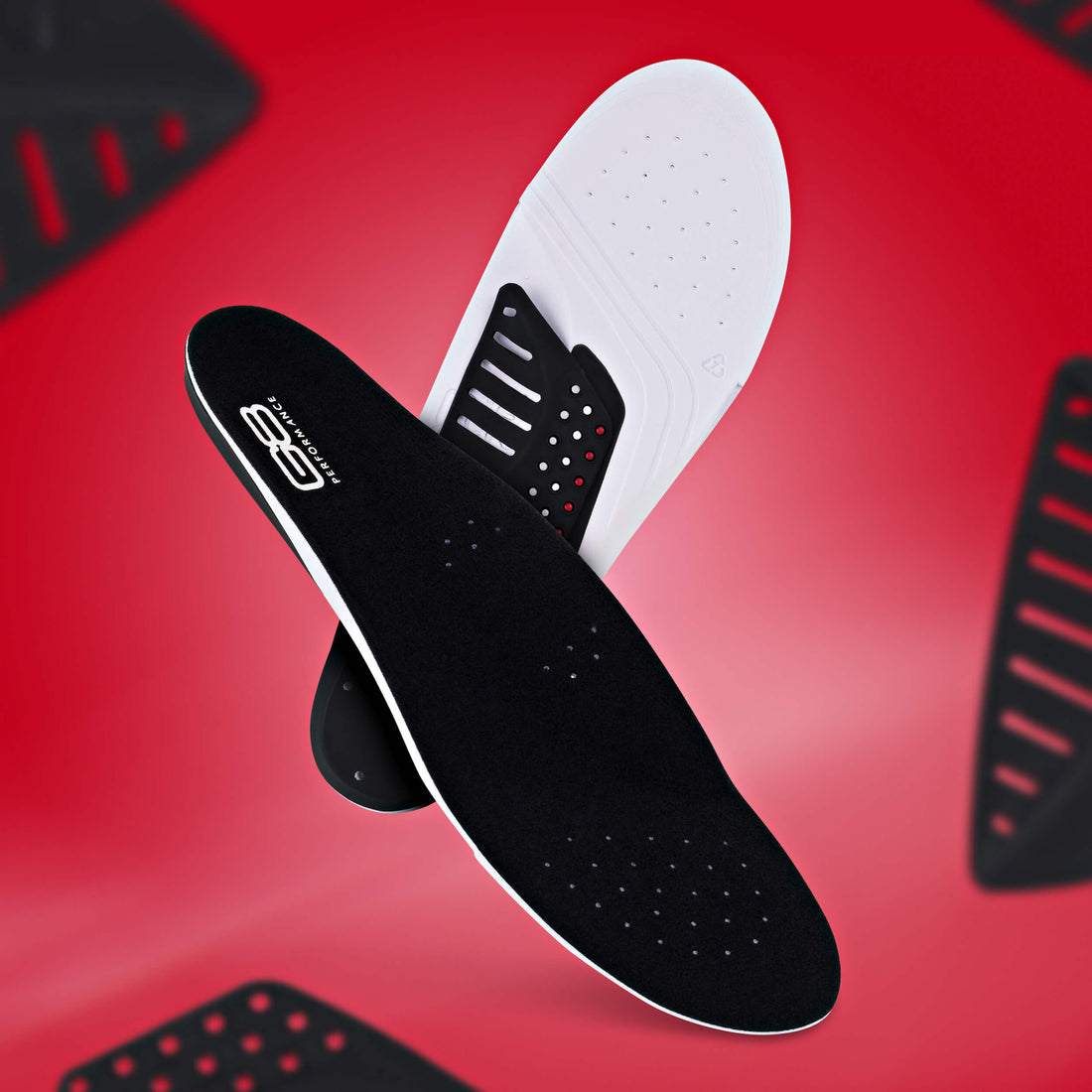
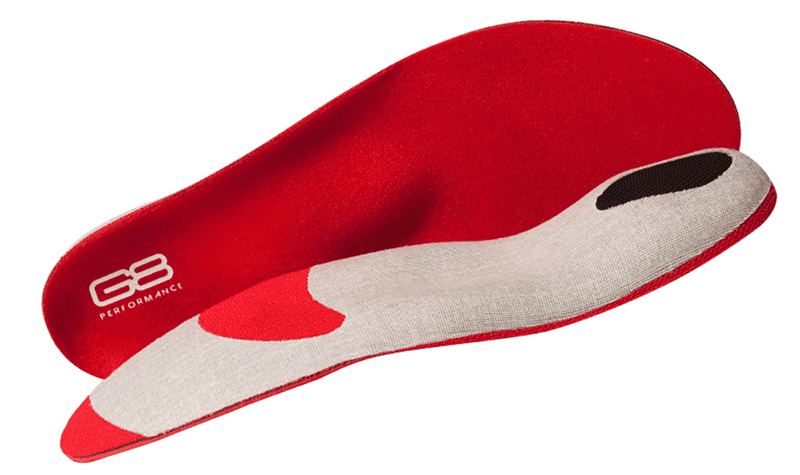
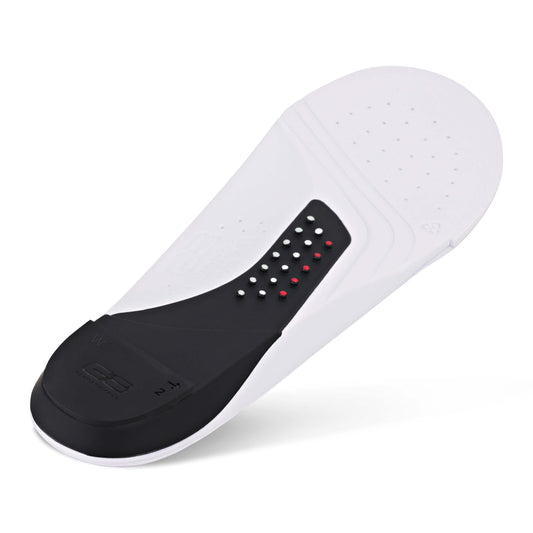
Plantar fasciitis commonly causes pain along the bottom of the foot, particularly near the heel. Discomfort may be more noticeable during the first steps of the day or after exercise. G8 2620 Insoles provide adjustable arch support that may help distribute pressure and improve comfort.
Shin Splints

Shin splints often cause discomfort along the inner edge of the shinbone and may feel like a dull ache or throbbing during or after physical activity. G8 2620 Insoles provide adjustable support that may help improve foot alignment and reduce strain during movement.
On Your Feet All Day

Spending long hours on your feet can lead to fatigue and discomfort. G8 2620 Insoles provide adjustable arch support that may help distribute pressure, improve stability, and support greater comfort throughout long days at work or during daily activities.
Shop orthotics
Shop all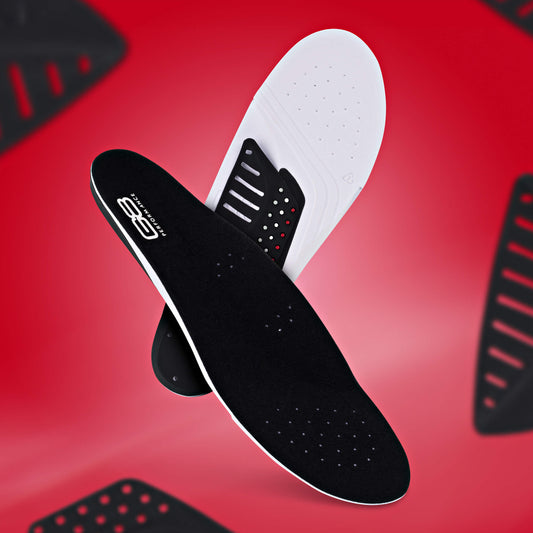

What our customers are saying
FREQUENTLY ASKED QUESTIONS
What is included in the G8 orthotic insole kit?
2620 Pro Series kit includes:
- One pair of base insoles
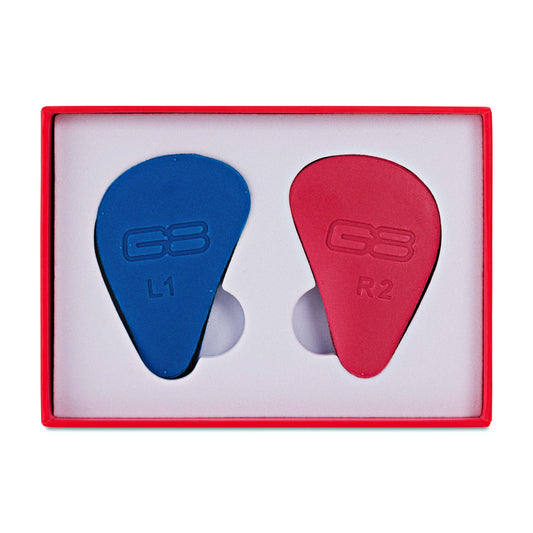
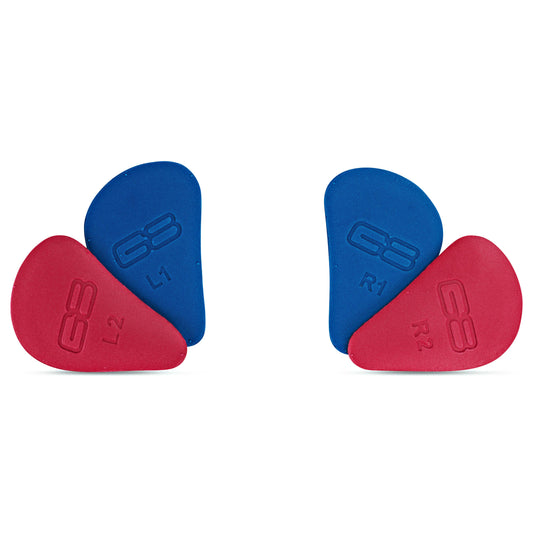
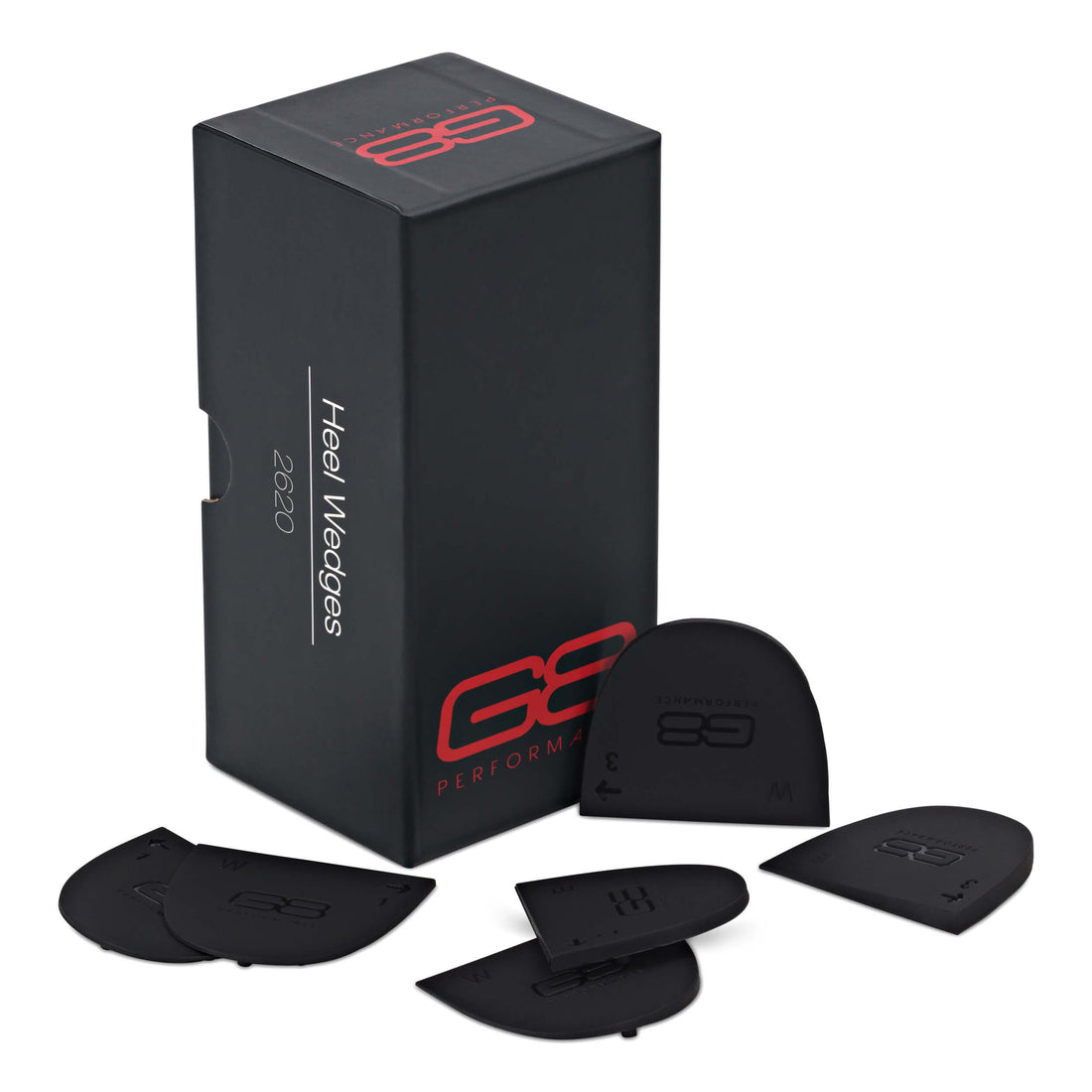
- Two arch supports in each of five heights: 18 mm, 22 mm, 26 mm, 30 mm, and 34 mm
Which sports are G8 orthotic insoles suitable for?
G8 orthotic insoles are suitable for a wide array of sports, including cycling, running, jogging, soccer or football, AFL, basketball, netball, tennis, pickleball, weightlifting, snow skiing, golf, hiking, and walking.
How do I fit and adjust my G8 2620 Orthotic Insoles?
Simply follow our 2620 fitting guide.
How do I mold my Ignite Orthotic Insoles?
Simply follow the G8 Ignite fitting guide.
Why do my feet hurt after wearing my G8 orthotics?
Some people may notice mild aching as they adjust to new orthotic insoles. Begin with short periods of wear and gradually increase the time. Check that the insoles are fitted correctly and that the arch height feels appropriate.
The insoles should not cause significant or worsening pain, persistent redness, skin irritation, or blisters. If these occur, stop wearing the insoles and seek advice from a podiatrist or another qualified healthcare professional.
How do G8 orthotics support my arches?
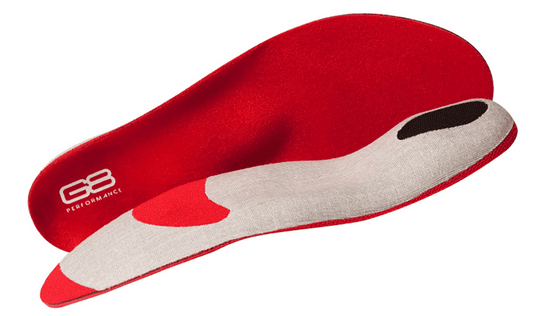
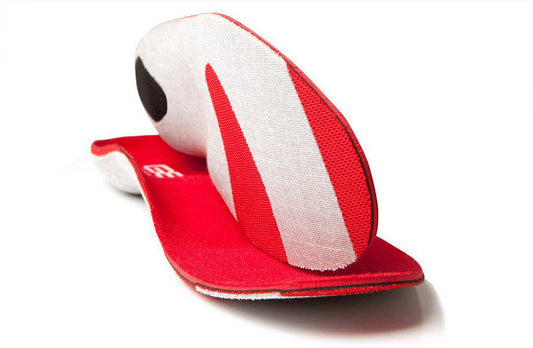
G8 orthotics use adjustable arch pieces to provide support while allowing your feet to move naturally inside your shoes.
Select an arch height based on comfort and the shape and height of the forward portion of your arch. As a general guide, the arch piece should make comfortable contact with the forward arch when your foot is not bearing weight.
The support should feel secure without causing pain or excessive pressure. If discomfort persists, try a lower arch height and review the fitting guide.
How much should I trim off my orthotic insoles?
Please refer to the trimming video in the 2620 fitting guide.
How long do G8 orthotic insoles last?
The expected lifespan depends on the product, frequency of use, activity level, moisture, heat, friction, and shoe condition allows.
Pro Series 2620 Orthotic Insoles typically last 12 to 18 months, while Ignite Orthotic Insoles typically last 9 to 12 months. Actual wear may vary.
Moisture, heat, and friction can gradually wear down the materials in your shoes and orthotic insoles. Inspect the insoles regularly and replace them if the base or arch pieces show significant wear, lose their shape or spring, or no longer provide stable and comfortable support.
Help! My G8 orthotics are giving me blisters!
Blisters can indicate rubbing, excessive pressure, or an incorrect fit. Stop wearing the orthotics until the affected skin has healed.
Check that the insoles are the correct size, sit flat inside your shoes, and have been trimmed and fitted correctly. Make sure your footwear has enough room and wear suitable socks.
If blistering returns or you notice persistent redness, pain, or skin irritation, stop using the orthotics and seek advice from a podiatrist or another qualified healthcare professional.
Can I wear G8 orthotics in any shoe?
Pro Series 2620 Orthotic Insoles can be trimmed to fit most enclosed footwear, including athletic shoes, ski boots, work boots, hiking boots, skates, and medical or orthopedic footwear.
They are not designed for high-heeled or very narrow shoes.
You can transfer the same pair between different shoes, but check the fit and arch position each time. For best results, use a separately fitted pair when different footwear requires a different trim or configuration.
I have very flat feet. Would the G8 2620s work for me?
Pro Series 2620 Orthotic Insoles have five arch heights and 11 position options, allowing the level and position of support to be adjusted for low or flat arches. Insoles may provide support and improve comfort, but they do not change the shape of your feet and may not suit everyone.
Begin with the lowest comfortable arch height and introduce the insoles gradually. Follow the 2620 fitting guide when adjusting the arch height or position.
If you experience pain, stiffness, weakness, or numbness, have difficulty walking or balancing, developed flat feet recently, or notice that only one foot is affected, seek advice from a podiatrist or another qualified healthcare professional.
