Sartorius Muscle Pain while Cycling: 5 Prevention Tips
Cycling places repeated demands on the muscles that support hip and knee movement, even though many people consider it a low impact sport. One muscle that can become irritated during long rides or high training loads is the sartorius muscle.
If you feel pain at the front of your hip, inner thigh, or inside knee while riding, it may come from the sartorius muscle. Understanding why this happens, and how to strengthen your body while cycling, can help you ride more comfortably. It can also reduce unnecessary strain.
What Is the Sartorius Muscle?
The sartorius muscle is the longest muscle in the human body. It runs diagonally from the front of the pelvis, across the thigh, and attaches near the inside of the knee. Its unique position allows it to assist with several movements, including hip flexion, knee flexion and leg rotation.
Because the sartorius muscle crosses both the hip and knee joints, it plays an important role during cycling. Every pedal stroke requires you to coordinate movement through these joints, which means the muscle repeatedly activates throughout a ride.
What Does Sartorius Muscle Pain Feel Like?
Sartorius muscle pain can present differently from rider to rider. Common symptoms may include:
- Pain or tenderness at the front of the hip
- Discomfort along the inner thigh
- Tightness running from the hip towards the inside of the knee
- Pain when lifting the knee during pedalling
- Increased discomfort after long rides or high intensity efforts
Some cyclists describe the pain as a burning, aching or pulling feeling that becomes more noticeable as training increases.
Why Does the Sartorius Muscle Become Painful During Cycling?
Repetitive Hip Flexion
Cycling involves thousands of repetitive pedal revolutions. During each pedal stroke, the hip bends and straightens, placing steady demand on muscles that lift and guide the leg.
The sartorius muscle can become overloaded, particularly during long endurance rides, hill climbing or periods of increased training volume.
Poor Foot and Lower Limb Mechanics
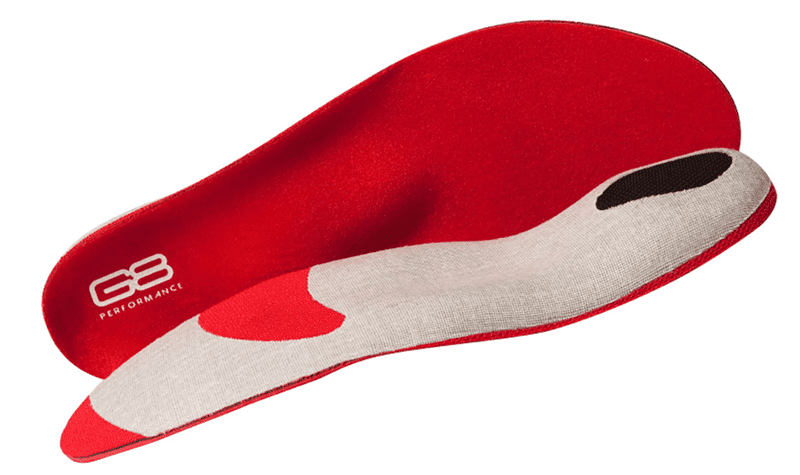
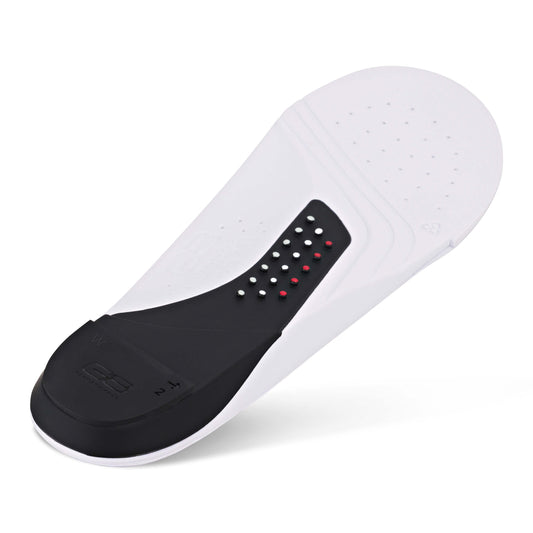
The foot acts as the foundation of the entire pedalling system. When the foot lacks support inside the cycling shoe, unwanted movement can occur throughout the ankle, knee and hip joint. G8 Performance Insoles support and strengthen the foot under load. This assists transferring force more effectively through the ball of the foot and onto the pedal. The result is improved power transfer, greater stability and stronger foot function over time.
Muscle Imbalances and Fatigue
The sartorius muscle often acts as an assisting muscle rather than a primary mover. When larger muscles around the hips and glutes become fatigued, the sartorius can take on an additional load. Over time, this can contribute to irritation and overuse symptoms.
Bike Position Issues
An incorrect saddle height, cleat setup or riding position can alter how forces are distributed throughout the lower body. Even small positional changes can influence hip and knee mechanics, potentially increasing stress on certain muscles during repetitive riding.

How Bike Shoe Insoles Can Strengthen Your Ride
Many cyclists focus on bike fit, training plans and recovery strategies, but overlook what happens inside their cycling shoes.
The connection between the foot and pedal influences movement throughout the entire lower limb. When the foot is unsupported or unstable, muscles higher up the chain may work harder to compensate.
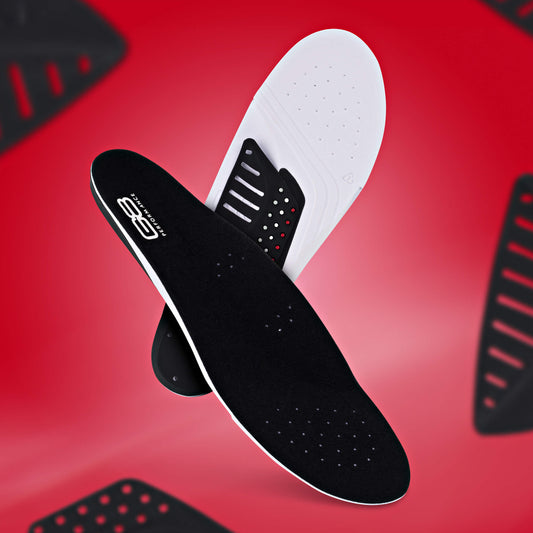
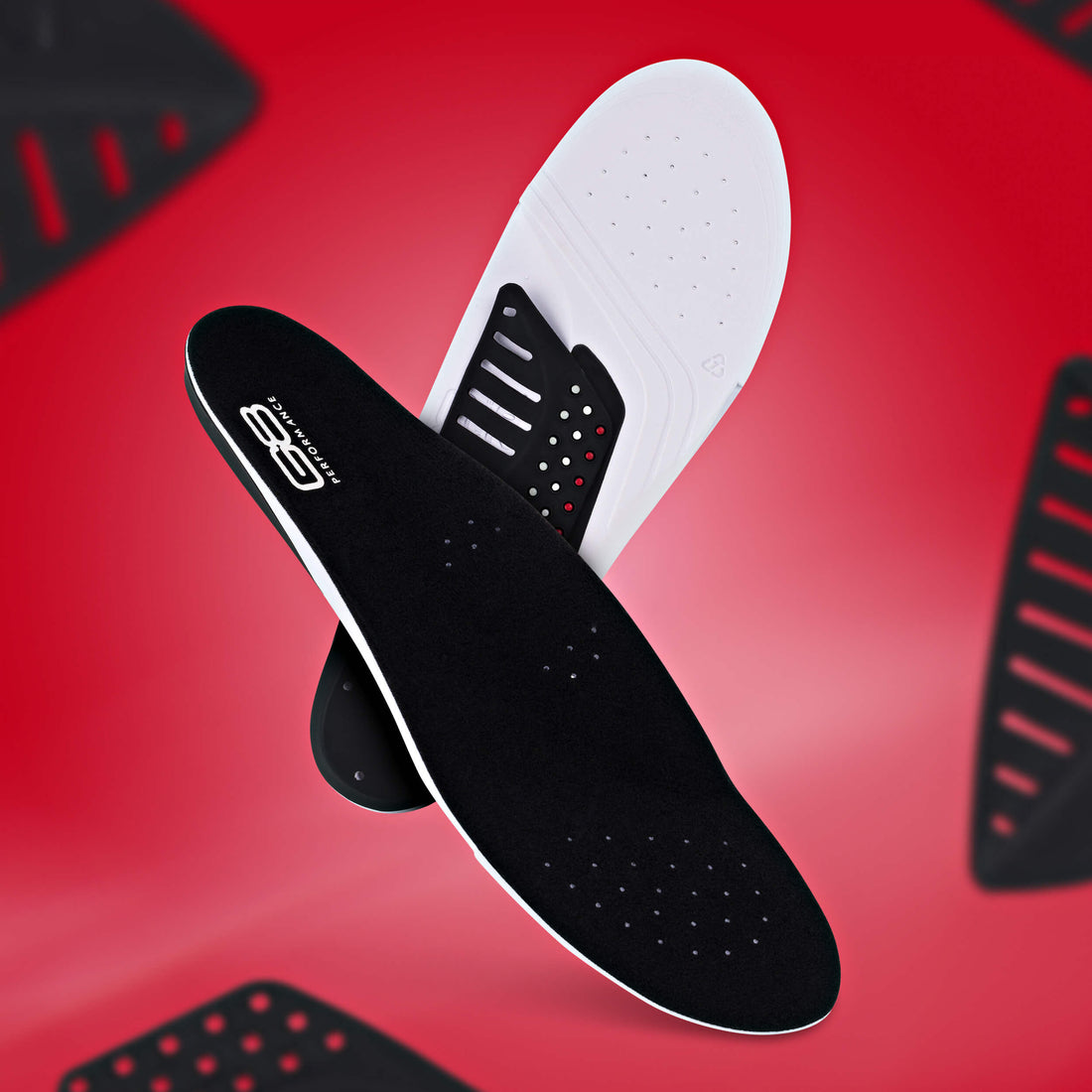
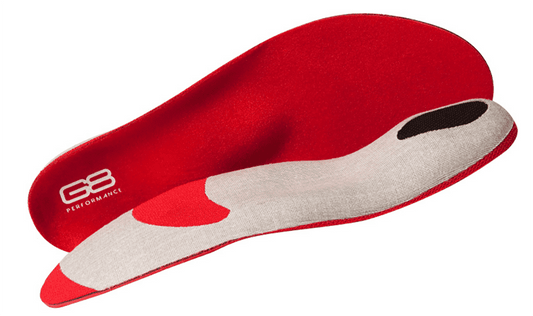
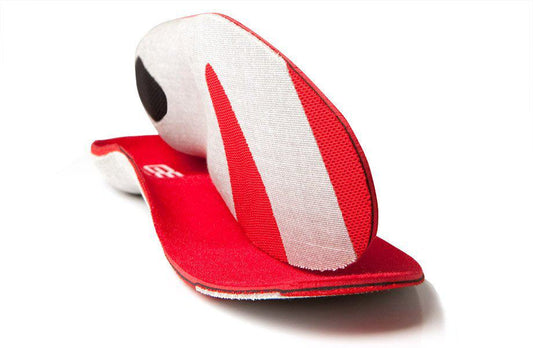
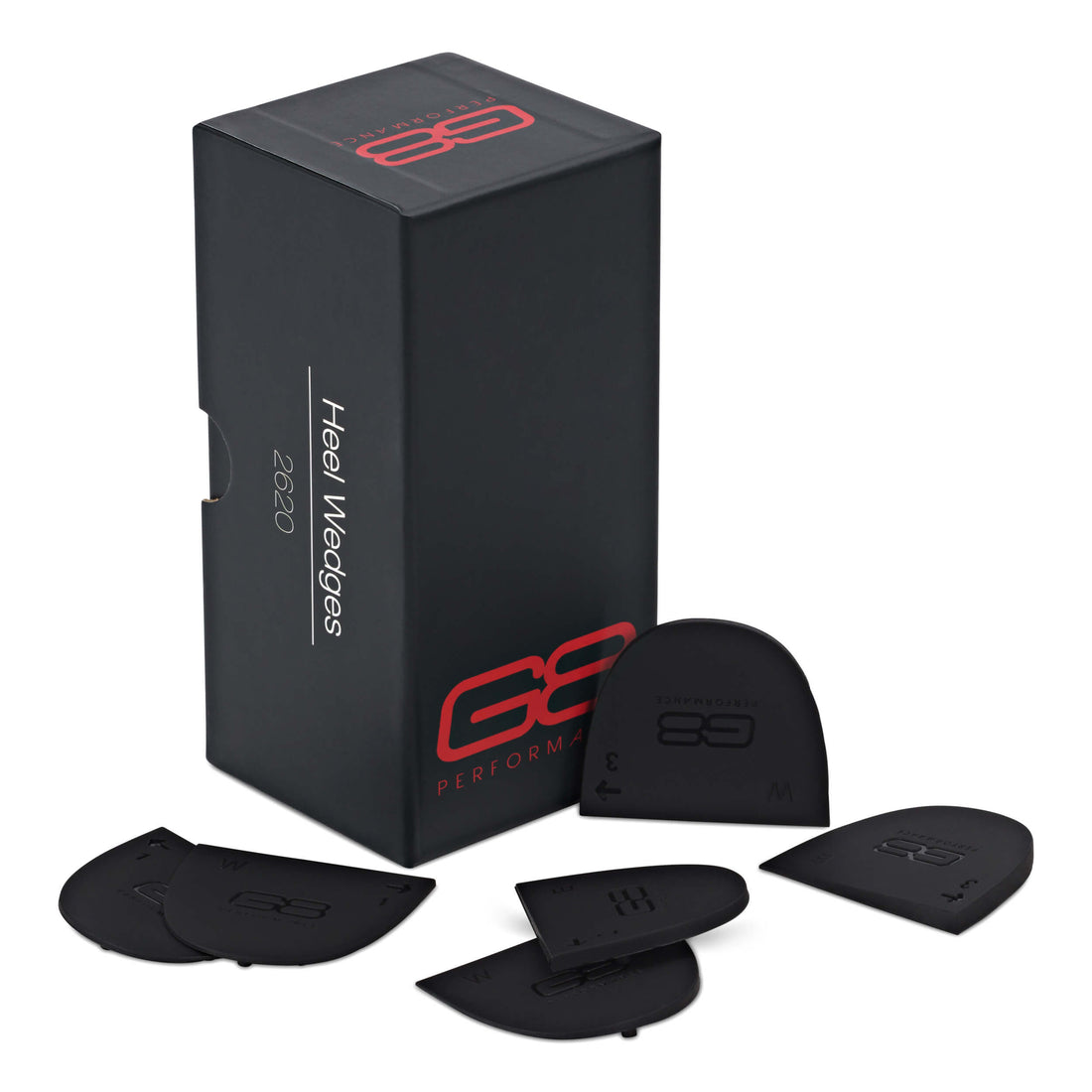
The G8 Performance Pro Series 2620 Cycling Insoles are designed to strengthen the foot through the full range of movement.
Key features include:
- Thin and lightweight orthotic insole design
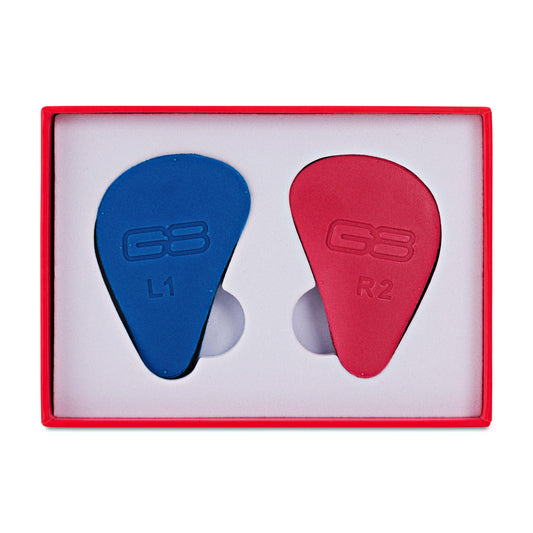
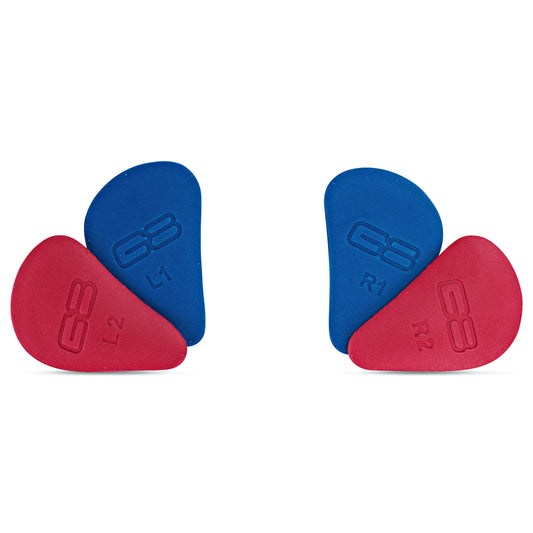
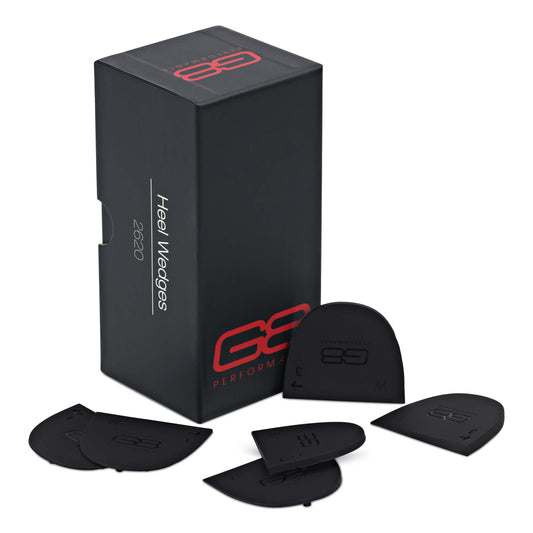
- Fully customisable with 5 arch heights and 11 position options
- Narrow heel cup for secure fit
- Inbuilt metatarsal pad
- Ventilated chambers to improve airflow

5 Prevention Tips for Cyclists Experiencing Sartorius Muscle Pain
1. Review Your Bike Fit
Small adjustments to saddle height, saddle setback and cleat position can influence hip and knee mechanics. If symptoms persist, consider a professional bike fit assessment.
2. Support Foot Strength and Function
A stronger, more active foot can contribute to a more efficient pedal stroke. Quality bike shoe insoles help optimise contact between the foot and shoe, encouraging natural foot function and improved power transfer throughout every ride.
3. Increase Training Gradually
Rapid increases in training volume or intensity can overload muscles and connective tissues. Build workload progressively to allow the body time to adapt.
4. Strengthen the Hips and Glutes
Strong gluteal and hip muscles help distribute load more effectively during cycling. A balanced strength program may reduce reliance on smaller supporting muscles.
5. Prioritise Recovery
Recovery is where adaptation occurs. Adequate sleep, mobility work and recovery days can help manage fatigue and support long term performance.
When Should Cyclists Seek Professional Advice?
Mild sartorius muscle pain may improve with rest and adjustments to your training routine. If the pain persists, worsens, limits mobility, or affects your ability to ride comfortably, it is worth seeking advice from a qualified healthcare professional.
A thorough assessment can help determine whether the sartorius muscle is the source of the problem or if another structure is contributing to your symptoms.
Strengthen Your Ride from the Ground Up
The sartorius muscle plays an important role in cycling, helping coordinate movement between the hip and knee during every pedal stroke.
Strengthening the foot is a practical step cyclists can take to improve comfort. It also helps reduce unnecessary movement in the lower limb. Combined with a proper bike fit, training, and recovery, cyclist insoles may help create a stable, efficient riding platform.
Discover the G8 Performance Pro Series 2620 Cycling Insoles and build a stronger foundation for every ride.
Frequently Asked Questions
Can cycling cause sartorius muscle pain?
Yes. The repetitive nature of cycling places ongoing demand on the muscles that support hip and knee movement. Increased training load, fatigue or poor biomechanics may contribute to sartorius muscle pain in some riders.
Where is sartorius muscle pain usually felt?
Pain is commonly felt at the front of the hip, along the inner thigh, or near the inside of the knee. Symptoms can vary depending on the location and severity of the irritation.
Can bike shoe insoles help cyclists with lower limb discomfort?
Bike shoe insoles may help improve foot strength and pressure distribution within cycling shoes. Better foot strength can contribute to improved lower limb mechanics during pedalling.
Are cyclist insoles worth considering for long rides?
Many cyclists use cyclist insoles to improve comfort, strengthen and manage pressure during long training rides and events, particularly when spending extended periods in stiff cycling shoes.
How long does sartorius muscle pain take to recover?
Recovery time varies depending on the underlying cause and severity of symptoms. Mild irritation may improve with rest and load management, while more persistent issues may require professional assessment and rehabilitation.